

Table of Contents
- Why Good Thomas Alternatives Matter for Rescue-Focused Shoppers
- Dog Clothing Brands That Give Back to Animal Rescue
- Dog Apparel That Supports Animal Rescues: What to Look For
- Dog-Themed Gifts That Support Rescue Organizations
- How Much of Your Purchase Actually Reaches Rescue Dogs
- Common Mistakes When Choosing Rescue-Supporting Apparel
- Making Your Choice: Key Questions to Ask Before Buying
- Frequently Asked Questions
Last Updated: October 11, 2026
Why Good Thomas Alternatives Matter for Rescue-Focused Shoppers
When you're passionate about rescue dogs, every purchase tells a story. The apparel you wear, the gifts you give, and the way you celebrate your love for dogs can directly support the organizations working to save lives. But not all dog-themed brands are created equal. Some donate generously to rescue efforts. Others donate very little, or not at all. This guide from Island Dogs breaks down the best Good Thomas alternatives for rescue so you can shop with confidence, knowing your money is making a real difference.
The challenge isn't finding dog apparel. It's finding apparel that actually backs up its mission with real donations. Many brands slap a rescue dog story on their products and call it philanthropy. Few follow through. We've analyzed the landscape of Good Thomas alternatives to help you identify brands that walk the walk.
Dog Clothing Brands That Give Back to Animal Rescue
The market for dog-themed apparel has exploded, but the commitment to rescue varies dramatically. Some brands donate a percentage of every sale. Others donate only from specific product lines. Some donate nothing at all, despite marketing themselves as rescue-focused.
Island Dogs stands apart because we donate 15% of net proceeds to local organizations dedicated to helping dogs find loving homes. That's not a marketing claim, it's our operating model. Every purchase you make directly funds programs that foster human-dog connections and enable rescue dogs to thrive in loving homes.
When evaluating other dog clothing brands that give back, look for three things: transparency about where donations go, consistency in donation percentages across all products, and verification that the donations actually reach rescue organizations. Many brands promise donations but offer no proof. Ask for annual reports, nonprofit partnership agreements, or specific examples of which rescue organizations received funding and how much.
Dog Apparel That Supports Animal Rescues: What to Look For
The best dog apparel that supports animal rescues balances three competing demands: genuine mission alignment, quality construction, and honest pricing. But knowing what to look for means understanding the practical differences between brands and product types.
Material and Durability Comparison
Rescue dog owners live active lives, and apparel must survive real conditions, not just Instagram photos. The material you choose determines how long a piece lasts and how it performs in different climates.
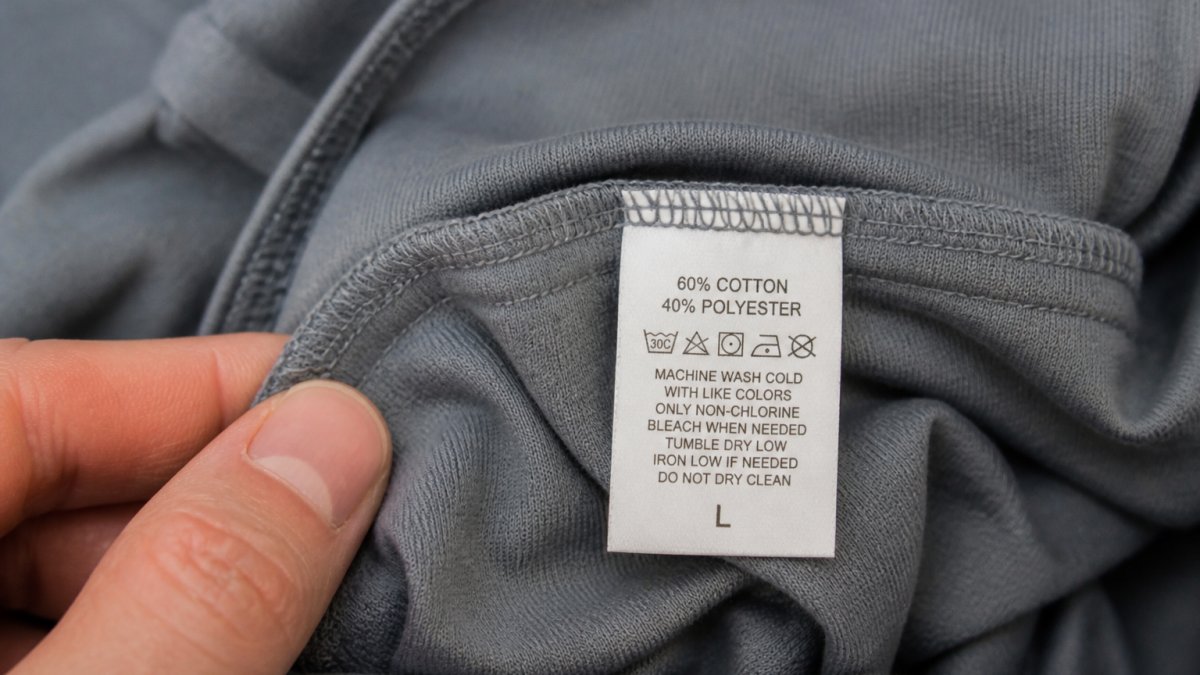
Cotton-based blends (typically 50/50 or 60/40 cotton-polyester) offer breathability and comfort but require careful washing to prevent shrinkage.
Seam construction matters as much as fabric. Double-stitched seams, especially at stress points like armholes and collar, outlast single-stitched construction by years. Reinforced hems prevent fraying.
Washability is critical. Brands that use high-quality dyes and pre-shrink fabrics minimize color bleeding and size changes. Ask whether a brand recommends cold water, gentle cycle, or if pieces can handle standard washing. Apparel designed for rescue supporters should survive real life: muddy hikes, beach trips, and frequent washing.
Sizing, Fit, and Return Policies
A great design means nothing if it doesn't fit. The best rescue-supporting apparel brands publish detailed size charts with actual measurements (chest width, length, sleeve length in inches or centimeters), not vague S-M-L estimates.
Fit varies significantly by brand. Some run small (sizing up one size is common). Others run large. Brands that offer a 30-day return window with free returns demonstrate confidence in their sizing accuracy. A 14-day return window or customer-paid return shipping suggests the brand isn't confident in fit consistency.
Consider the cut itself. Unisex cuts tend to be boxier and work well for layering. Fitted cuts emphasize shape but may not work for all body types. Oversized cuts appeal to comfort-focused shoppers but can look sloppy if not designed intentionally. The best brands offer multiple cuts or detailed descriptions so you know what to expect.
Donation Transparency and Verification
This is where most brands fail. A brand that claims to support rescue dogs but won't show you proof is asking you to take it on faith.
The best rescue-supporting apparel brands publish annual impact reports. They name the specific rescue organizations they partner with. They state exactly how much money was donated in the previous year.
Transparency includes defining terms. "Net proceeds" can mean different things. Some brands calculate it as revenue minus direct product costs only. Others subtract fulfillment, returns, and overhead.
Look for brands that allow you to verify donations independently. Do they list partner organizations by name? Can you contact those organizations to confirm? Do they publish annual reports on their website?
Dog-Themed Gifts That Support Rescue Organizations
Apparel isn't the only way to shop with purpose. Dog-themed gifts, home décor, accessories, and personalized items can also fund rescue work when you choose brands that donate transparently. Understanding the different gift categories and their donation models helps you choose options that align with your budget and the recipient's preferences.
Gift Categories and Donation Models
Wall Art and Home Décor, Prints, canvas art, and wall hangings inspired by rescue dog stories are popular gifts.
Personalized Pet Portraits and Illustrations, Custom artwork featuring a recipient's own rescue dog creates emotional connection.
Dog-Themed Books and Publications, Children's books about rescue dogs, training guides, and memoir-style books can support rescues. Some publishers donate author royalties; others donate a percentage of cover price.
Accessories and Everyday Items, Mugs, tote bags, phone cases, and stickers with dog designs reach a wider audience than apparel. These items often have lower price points, so donation percentages matter more.
Donation-in-Your-Name Gifts, Some platforms let you donate directly to a specific rescue in someone's name and send them a gift card or certificate.
Subscription Boxes and Gift Sets, Curated boxes with dog toys, treats, and apparel sometimes donate a portion of box revenue.
Evaluating Gift Donation Claims
Gift items are particularly vulnerable to vague donation language. A brand might claim "a portion of proceeds supports rescue dogs" without specifying the amount, recipient, or verification method. Before buying a gift, ask these questions:
What percentage or dollar amount is donated? Vague language like "a portion" or "proceeds" is a red flag. Demand a specific number.
Which rescue organizations receive donations? Ask for names, locations, and whether donations are local or national. Some brands donate to large national organizations; others support grassroots local rescues.
Is the donation consistent across all items or only select products? A brand might donate from wall art but not from mugs. Clarify what you're actually supporting.
Can you verify the donation independently? Look for nonprofit partnership announcements, annual reports, or third-party certification. If the brand won't provide proof, assume the donation is minimal or nonexistent.
What's the recipient's experience? Does the gift include information about which rescue was supported? Some brands include a card explaining the donation; others don't. For a meaningful gift, transparency matters to the recipient too.
Combining Gifts for Greater Impact
One strategy is to buy multiple items from the same brand to increase total donation. A $20 mug and $40 apparel item from a brand donating 15% of net proceeds generates more support ($9) than a single $50 item from a brand donating 10% ($5). Alternatively, buying from multiple brands that support different rescues spreads impact across organizations.
For corporate or group gifts, some brands offer bulk discounts and higher donation percentages. If you're buying gifts for a team or event, ask whether the brand has a corporate giving program that increases the donation rate for larger orders.
How Much of Your Purchase Actually Reaches Rescue Dogs
This is the question every rescue-focused shopper should ask, and most brands won't answer it directly. A brand that donates "a percentage of proceeds" could mean anything. Proceeds after what expenses? After returns? After overhead?
The most transparent brands break down their model explicitly. Island Dogs donates 15% of net proceeds. That means after direct product costs and shipping, 15% of what's left goes to rescue organizations. This is clearer than vague promises like "a portion of sales" or "proceeds from select items."
Some brands donate from gross revenue before expenses. That sounds generous until you realize they're subtracting fulfillment, returns, and overhead first. Other brands donate only from specific product lines, not everything you buy. The best approach is full transparency: state the percentage, define what it's calculated from, and publish annual results showing actual dollars donated.
Common Mistakes When Choosing Rescue-Supporting Apparel
The biggest mistake is assuming a brand's marketing matches its mission. A beautiful story about rescue dogs doesn't mean the brand actually funds rescue work. Many companies use rescue dog imagery purely as marketing without meaningful donations.
Another common error is prioritizing price over mission. If a brand donates 2% of sales versus 15%, the cheaper option might actually give less to rescue organizations in total. The most expensive apparel isn't always the best choice either. Mid-range brands often balance quality, pricing, and donation percentages more effectively than luxury options.
Don't overlook fit and quality issues because you love the mission. A shirt that falls apart after three washes isn't supporting rescue dogs, it's creating waste. The best rescue-supporting purchases are ones you'll actually wear for years.
Making Your Choice: Key Questions to Ask Before Buying
Before you commit to a brand, ask these questions:
What percentage of proceeds go to rescue? Demand a specific number, not a vague promise.
Which rescue organizations receive donations? Ask for names, locations, and annual amounts donated.
Is the donation policy consistent across all products? Or does it apply only to specific items?
What does "net proceeds" actually mean? Ask them to define it. How are expenses calculated?
Can you verify the donations independently? Look for nonprofit partnership announcements, annual reports, or third-party verification.
How does the apparel hold up to actual use? Read reviews from people who use it in real conditions, not just photos.
What's the return policy? A brand confident in quality offers easy returns.
How does pricing compare to similar brands? Don't pay premium prices for below-average quality, even if the mission is strong.
The goal is finding a brand where mission, quality, and value align.
When you choose apparel that supports rescue dogs, you're voting with your wallet for a world where more dogs find loving homes.
Frequently Asked Questions
What makes Good Thomas alternatives different from regular dog apparel brands?
Good Thomas alternatives are specifically designed to support animal rescue missions through charitable giving. Unlike standard dog apparel, these brands donate a percentage of proceeds to rescue organizations, shelters, or foster-based programs. The key difference is transparency: the best alternatives clearly state their donation amount, which organizations they support, and how to verify where your money goes. This accountability separates mission-driven brands from those that simply use rescue messaging in marketing.
How can I verify that a dog apparel brand actually donates to rescue organizations?
Look for brands that publish annual donation reports, name specific partner organizations, and provide contact information for those nonprofits. Legitimate rescue-supporting brands often feature case studies or impact stories on their websites. You can cross-check by contacting the rescue organizations directly to confirm partnerships. Avoid brands that mention donations vaguely or only on product tags without naming recipients. Transparent brands make it easy to see proof of where proceeds actually go.
Are dog apparel that supports animal rescues worth the higher price compared to mass-market options?
The value depends on your priorities. Rescue-supporting apparel typically costs more because it funds charitable giving, uses better materials for durability, and supports smaller operations than mass manufacturers. If durability and mission matter to you, the higher price reflects real value. However, if you only need basic dog apparel, mass-market options are cheaper. Consider how often you'll wear it and whether supporting rescue organizations aligns with your values. Many shoppers find the combination of quality and charitable impact justifies the cost difference.
What should I look for in dog-themed gifts that support rescue organizations?
Choose gifts from brands that clearly state their donation percentage, support local or national rescue groups, and offer variety beyond basic apparel. Strong options include wall art, accessories, and seasonal collections that appeal to different interests (outdoor enthusiasts, families, boating communities). Verify the brand's nonprofit partnerships, check customer reviews for quality and fit, and confirm return policies in case sizing doesn't work. The best gifts combine meaningful design, transparent charitable support, and practical quality that reflects the recipient's lifestyle.